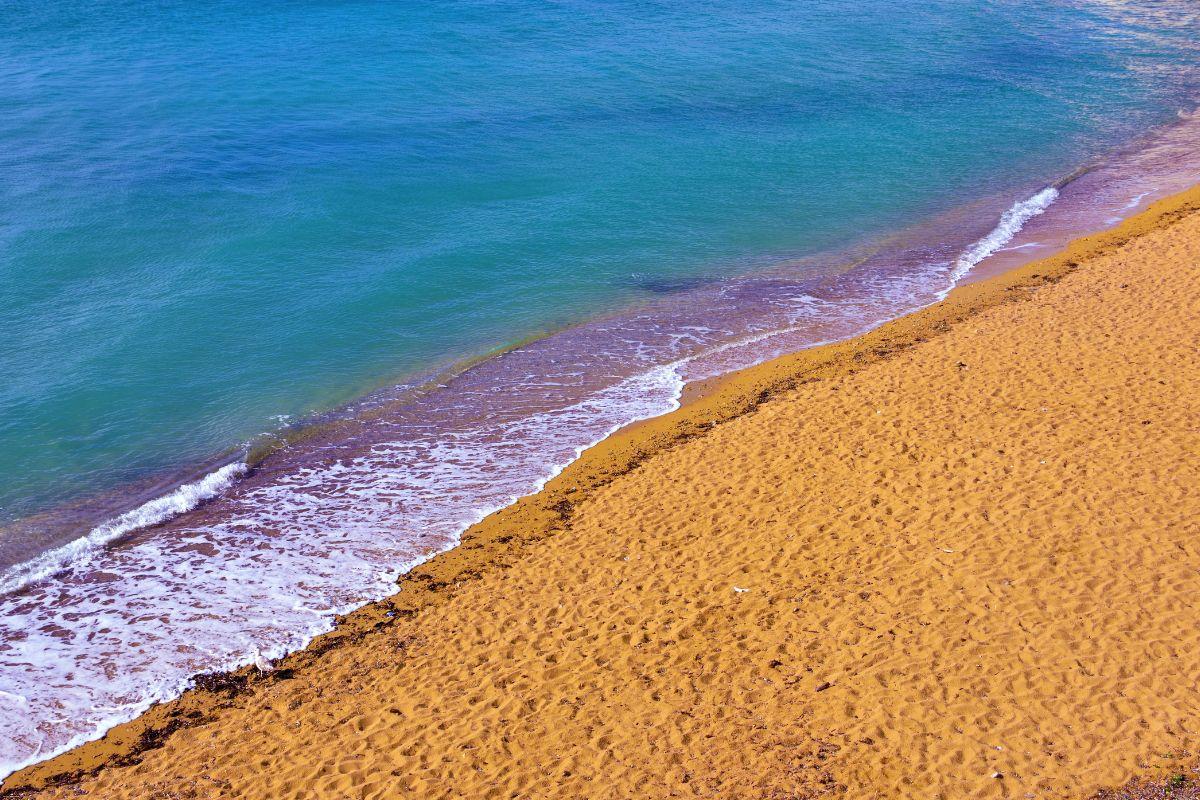
We'd like to introduce you to one of the most astonishing and unforgettable destinations on the planet. Set on the Caribbean Sea and being the largest of the Antilles, stands the majestic and enchanting Cuba, which has been considered the land of freedom and joy, with an exceptional charm in every city and region.
We know that this tropical country offers millions of attractions, which is why we want to help you get an idea of its charm with a selection of cities in Cuba that are not to be missed when visiting the island.
 After the revolution, Cuba went from strength to strength, becoming one of the most progressive nations in Latin America. It also has one of the most prolific cultures. Cuba is literature: on display in the hands of Fernández Retamar, Lezama Lima (author of the impressive novel Paradiso, recommended reading) and Alejo Carpentier.
But Cuba is also delicious tropical music. Who hasn't tasted a delicious Son Cubano? Cuba is also its legendary tobacco (the main attraction for those of you who are smokers and have had the opportunity to visit the country), its delicious cocktails and its legendary rum. Cuba is everything and much more than you can imagine. We invite you to discover it.
Cuba is one of the places you enjoy most the second time around, and in fact, most people who have been to Cuba return often.
There are so many places to visit in Cuba that travellers are sure to enjoy the mix of fascinating cities, lush nature, incredible beaches, fun music and local culture.
Cuba's cities are just the right size for you to enjoy without ever feeling overwhelmed, they're intriguing and offer so much to do that you'll hardly find time to get bored.
Here's a list of Cuba's most beautiful cities.
Top 15 of Cuba's most beautiful cities
Havana
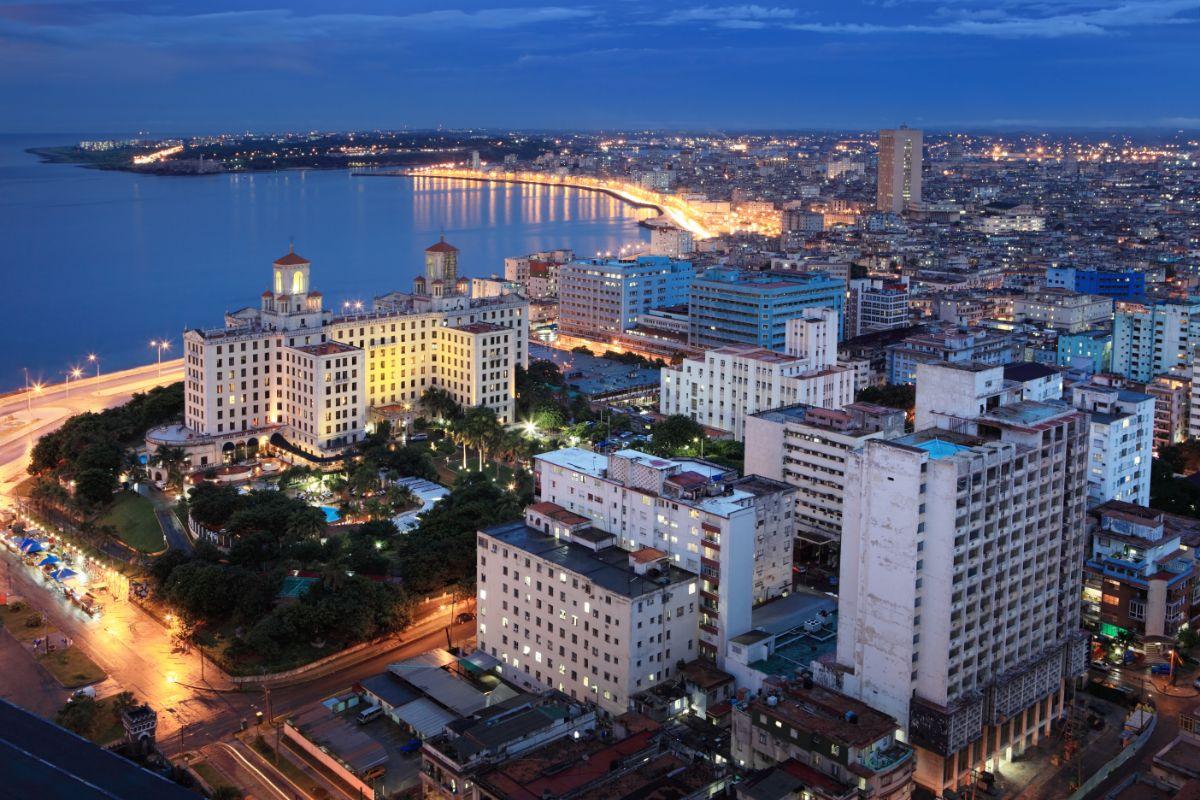 Unless you're flying to an all-inclusive resort in Varadero or Holguin, Havana will probably be your first stop in Cuba. And that's a good thing, because the city is simply incredible.
What makes Havana so special, and what are the best things to do in Havana?
Let's begin this delightful tour of Cuba's cities, and how else to start than with Cuba's most famous city and its capital?
Havana is the greatest exponent of Cuban tradition and lifestyle, offering incredible charms in its stunning historic centre, incredible architecture and revolutionary and Cuban iconography, stretching from El Malecón to Plaza de la Revolución.
What's more, the Caribbean atmosphere is phenomenal and it seems that the same warmth is projected into the hearts of its inhabitants.
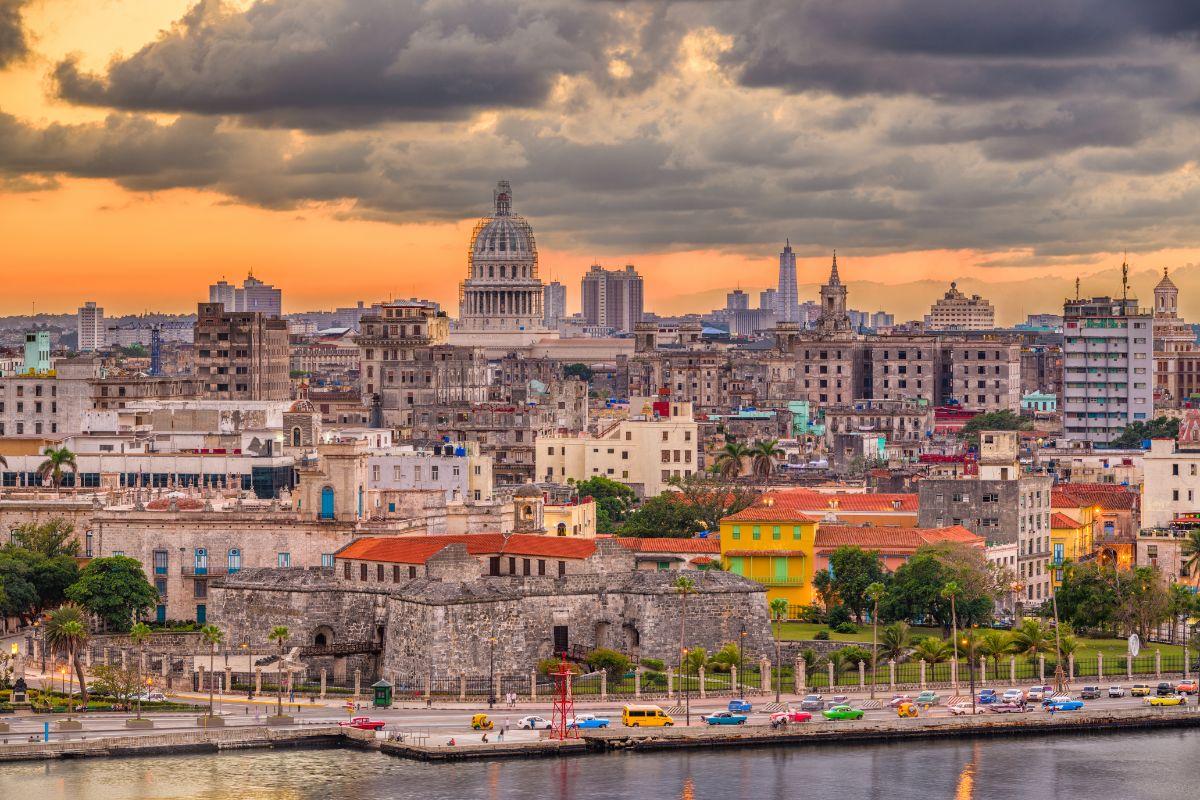 Havana is fascinating despite being very decadent. In any other city you might visit, these derelict buildings would look bad, and you'd wonder how they hadn't been restored or replaced. These buildings have a mysterious air about them and are a magnet for photographers.
There are endless walks in Havana Vieja, from the pretty Plaza de la Catedral, to the Plaza de Armas and the book market, from Plaza Vieja to the Capitol. As you stroll along, you can also take photos of the many vintage cars parked at traffic lights or being polished by their owners.
A must-see in Havana is the Museo de la Revolución. Located in the former presidential palace, it will give you a better understanding of Cuban history and culture.
There is also the Òel ca-onazo de las nueveó ceremony at the La Caba fortress. This festival is very popular with Cubans and tourists alike.
The view of Havana at night is incredible! The fortress is an interesting place to visit as it is full of art galleries and exhibitions.
Other things to do in Havana include a walk along the Malecon, where the locals gather at sunset, with a possible stop at the Hotel Nacional for a drink with a view of the sunset, and have a drink at La Bodeguita del Medio or El Floridita, because as touristy as they can be, they really are historic institutions and they also have great live music.
Walk around Havana and you'll find children playing baseball in the streets, troubadours and sones singers on street corners or an old man trying to start his Plymouth 55.
Nightlife in Cuba is, as you can imagine, very lively, with taverns, dance halls and all sorts of music venues.
You can't leave Havana without visiting Old Havana with its many museums and squares, the historic military park Morro Cabaña, Centro Habana and Vedado.
Want to know how to stay free in the Caribbean? Become a house and pet sitter and live like a local, rent-free, when you travel.
See also: Havana Cuba, the best things to do and see
Trinidad
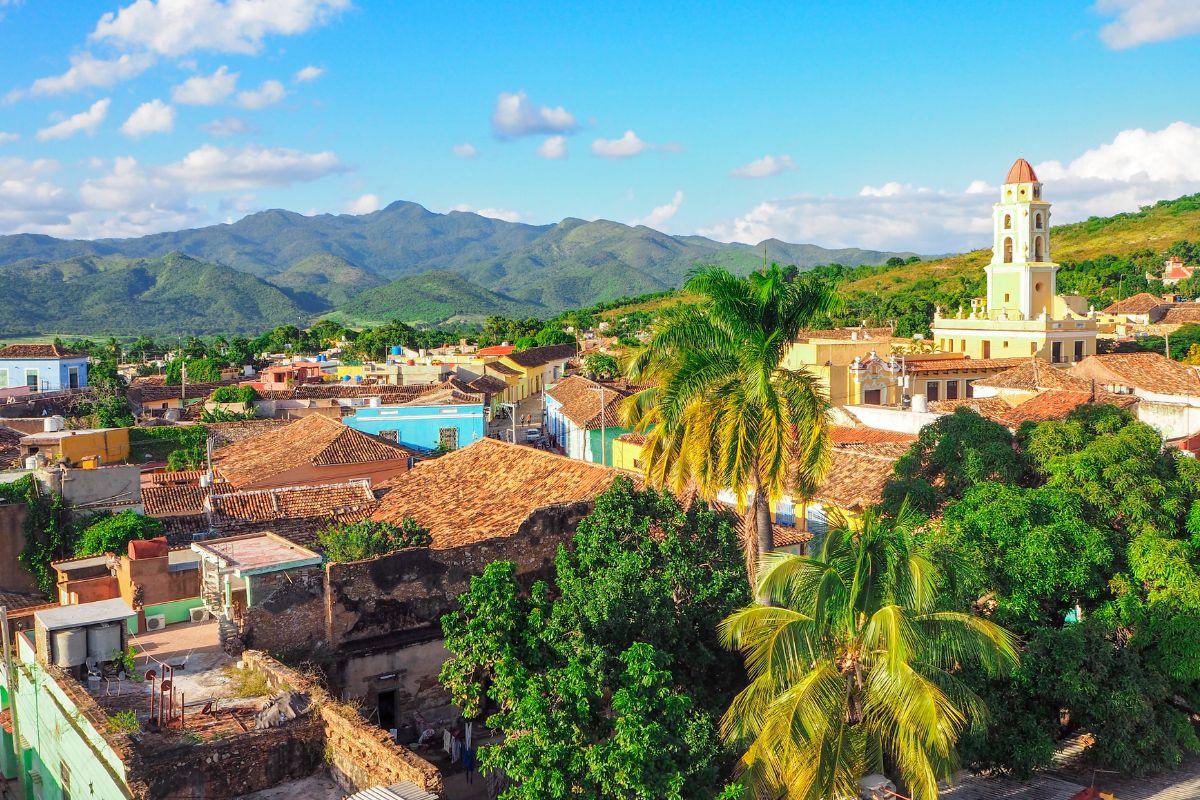 In this tour of Cuba's cities, it's the turn of the very old Trinidad, one of the most beautiful, without a doubt, and declared a World Heritage Site by UNESCO. It was founded in 1514 and is currently considered a museum city.
Splendid restoration and conservation work has been carried out, enabling it to retain that air of the colonial era, with its eighteenth- and nineteenth-century architectural heritage and cobbled streets.
The city boasts around fifty palaces and numerous religious and political buildings worthy of admiration. Its museums are also very attractive, not to mention its charming squares, and if you stop to talk to one of the locals, they will tell you legends of slaves, pirates and hidden treasures.
Unlike Havana and its festive atmosphere, Trinidad exudes tranquillity and is an ideal opportunity to discover the country's history.
Trinidad is Cuba's most popular tourist destination and is not to be missed. Cars are not allowed in the city centre, so it's great to wander around the various painters' studios, art shops and markets.
Trinidad is packed with museums, the most interesting of which is the Museo Histrico Municipal, from whose tower you can admire a magnificent view of the city. The restaurants are located in old colonial houses and, while you wait to be seated, you can admire the property's collection of antique furniture.
Walking the cobbled streets of Trinidad, admiring its colonial buildings, and taking photos of the balconies and beautiful gardens is relaxing. On every street corner, you'll find an impromptu band playing good music.
The city is even livelier in the evening, when locals and tourists alike gather in the main square to listen to salsa and dance.
Not far from Trinidad, Valle de los Ingenios is one of the region's main attractions, as this is where most of the sugar cane plantations were located. Among the various haciendas, Manaca Iznaga boasts a 44-metre-high tower that was used to control the slaves working on the plantations.
See also: Trinidad Cuba, Top 30 activities
Santiago de Cuba
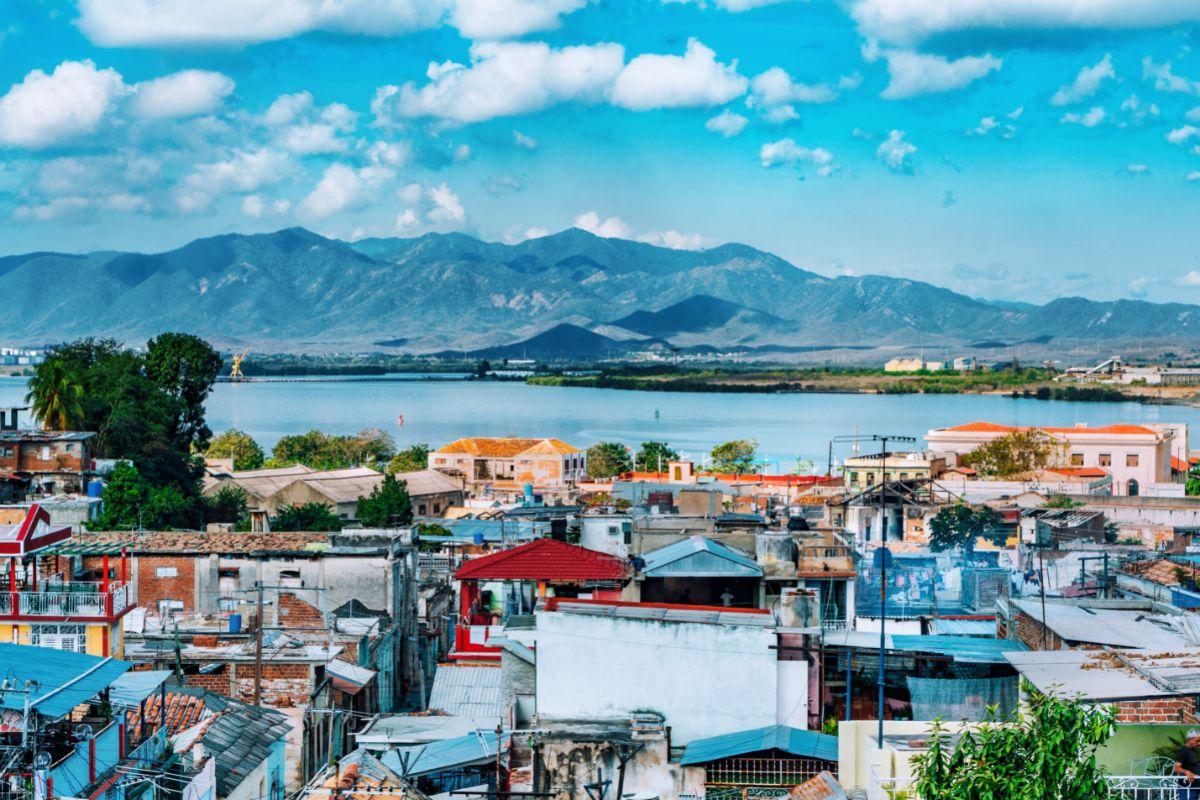 Santiago is as Caribbean as Cuba gets. Its impressive history has made it a fundamental pillar of Cuban development since Spanish colonisation. This diverse historical past is reflected today in its culture, its impressive artistic heritage and its wonderful architecture. You can get closer to the city's colonial past by visiting the Balcón de Velázquez and Casa Diego Velázquez.
It's Cuba's second largest city, it has the warmest climate, it has a vibrant cultural life, it's very musical, the architecture is beautiful, and the people are interesting.
But if you want to explore a natural environment, then that's perfect, because Santiago has developed a very extensive system based on ecotourism, the city fortunately being located in an area of varied relief.
So you can hike up the mountains to Turquino Peak and contemplate the grandeur of the magnificent Caribbean Sea, or you can contemplate the greenery of the landscape from Gran Piedra, or the perfect view of Santiago de Cuba Bay from Cayo Granma.
There are many places to visit in Santiago; the Parque CŽspedes is the heart of the city, it's lively, musical, and all around there are many places of interest including Calle Eredia and the Casa de la Trova, a place to listen to traditional music that hosts famous artists such as Eliades Ochoa (famous thanks to the film Buena Vista Social Club).
We highly recommend an afternoon trip to El Cobre (not far from Santiago), to admire the magnificent basilica, which is well worth a visit. Here you will find the statue of the Virgen de la Caridad, Cuba's most venerated saint, famous for having been found floating on the waves of Bahia de Nipe in 1612.
Read also: Santiago de Cuba, Top 40 most beautiful places to visit
Cienfuegos
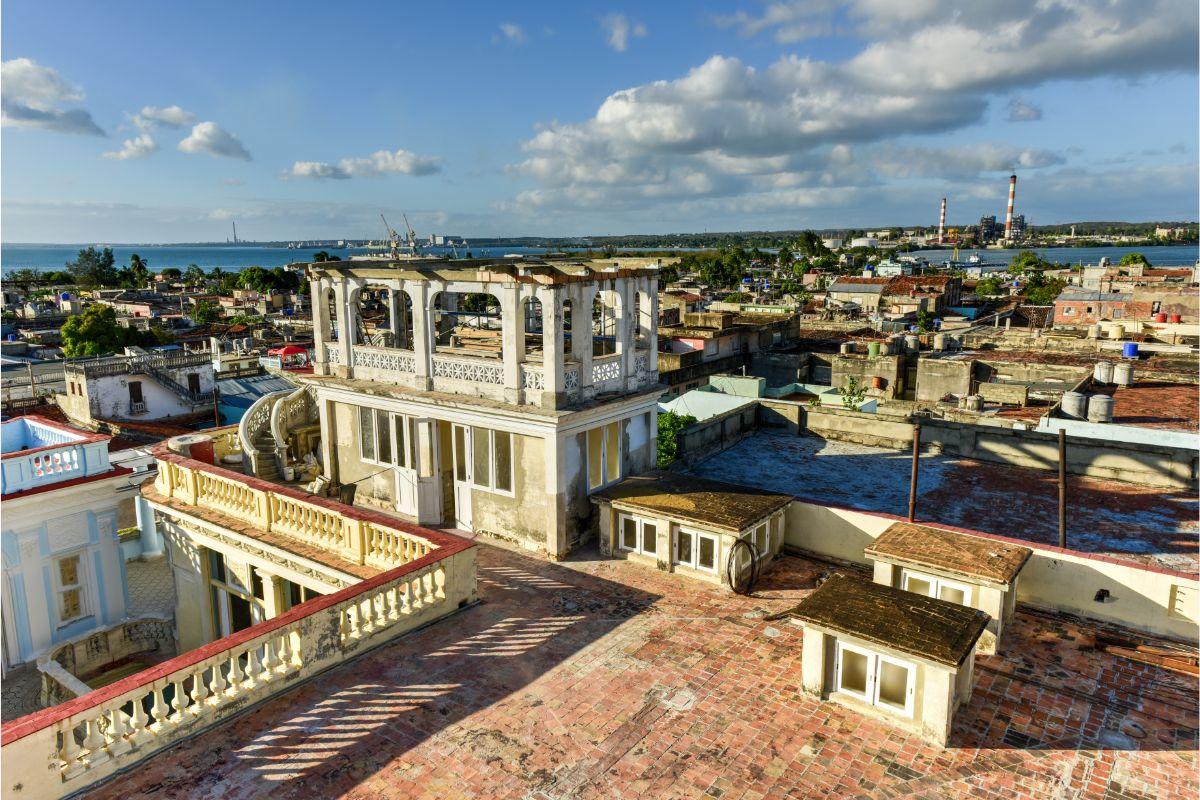 Another of Cuba's cities to have been declared a World Heritage Site by UNESCO is Cienfuegos, also known as the pearl of southern Cuba. This city was founded in 1819 and retains a very homogeneous architectural style, making it a truly attractive place to visit.
It is also worth pointing out that its architectural design retains a certain atmosphere that is familiar to 19th-century France, from which the building was inspired, so the atmosphere is phenomenal, as it retains the beauty of the French nation with the tranquillity and joy typical of the Caribbean.
Cienfuegos is famous for its contrasting colours: the emerald green of its lush vegetation and the turquoise blue of the sea.
There are hundreds of coves, caves and coral reefs in the province, but if you really want an exceptional natural experience, you should head to the natural enclave of El Nicho, which lies within the Topes de Collantes Natural Park.
It's a relaxed, airy town, and compared to the rest of Cuba, there are so few jineteros (locals who try to catch tourists for taxi drivers, casas particulares and restaurants in exchange for a commission on profits) here, you'll hardly feel harassed like you would in most Cuban cities.
Like Havana, Cienfuegos also has a Malecon, a waterfront that eventually leads to Punta Gorda. One of the most interesting places to visit in Cienfuegos is the cemetery, which contains the graves of soldiers who died in the various wars of independence.
Not too far from the city, the botanical gardens are an ideal place to spend a relaxing afternoon contemplating the various plants and bamboos.
See also: Cienfuegos Cuba: places not to be missed
Varadero
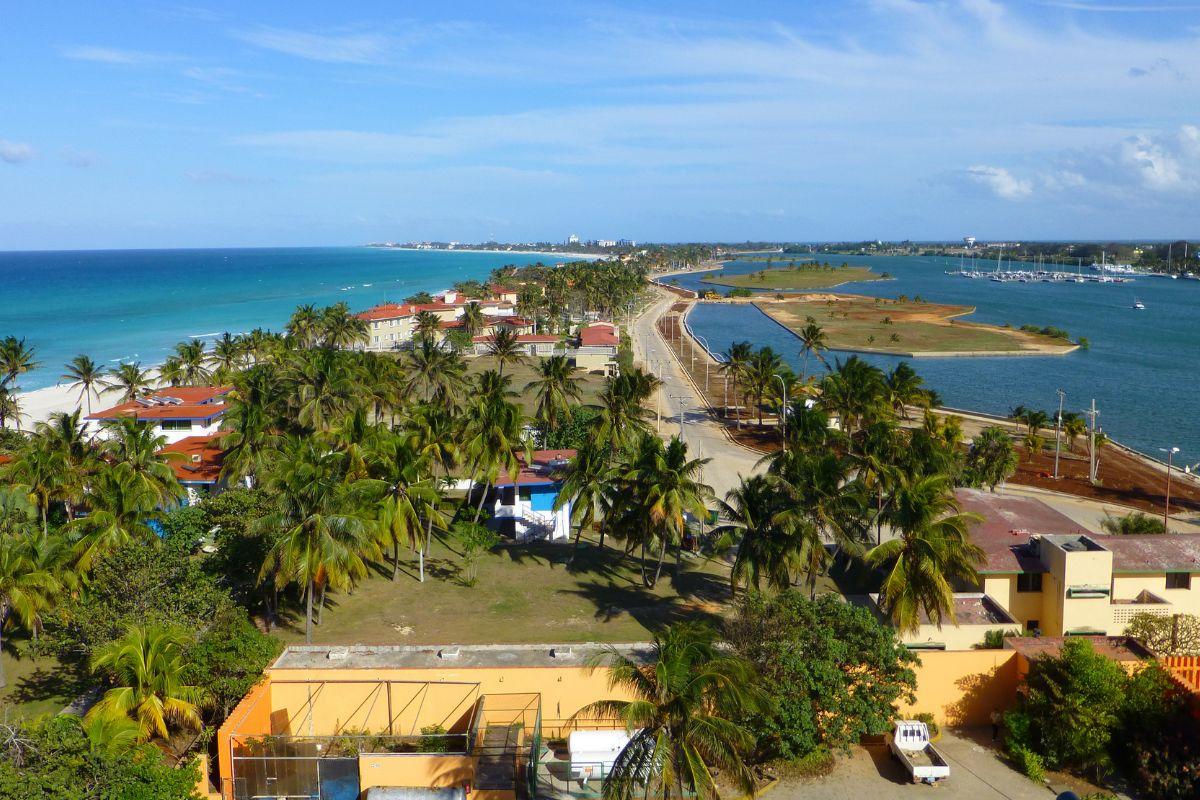 Varadero is a special city, because it doesn't have many connections with the rest of Cuba's cities. You'll find that Varadero is the closest city to the United States.
In the past, it was used by wealthy families for holidays, later it would be a holiday resort for Americans when Cuba was under the mandate of Fulgencio Batista and after the Cuban revolution it was decided that this city would keep its tourist character as it was, so the atmosphere that is perceived here is not the traditional Cuban one, but rather resembles that of a Californian beach.
Varadero, which extends over 30 kilometres, 22 of which are beaches, is the favourite place for Europeans to spend their holidays in the Caribbean, where you can go scuba diving and discover the natural beauty of the seabed, as well as luxury hotels, restaurants of all kinds, bars and casinos.
The ideal place to indulge yourself and splurge a little, it really is a magnificent place well worth a visit.
Cienfuegos is a good starting point for visiting the magnificent Bahia de Cochinos (Bay of Pigs), which is a perfect place for diving and snorkelling, as well as El Nicho, a series of beautiful waterfalls on the Rio Hanabanilla with beautiful natural pools.
Read also: Varadero Cuba, the best places to visit
Santa Clara
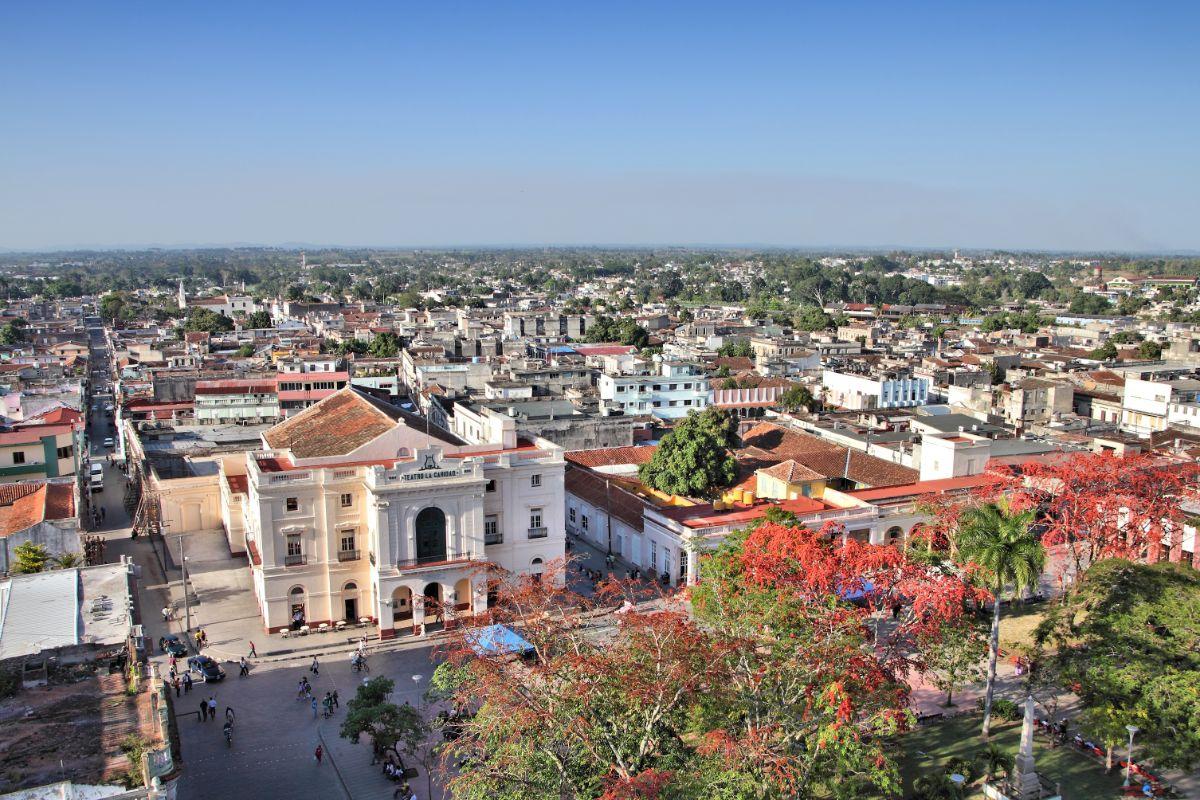 Santa Clara is one of Cuba's most central cities, making it the ideal hub for reaching any point in the Caribbean country.
The city played an important role in the battles for independence, both in the ten-year war against the Spanish crown and in the Battle of Santa Clara, when commander Ernesto 'Che' Guevara took the city in 1958.
Among the places to see in Santa Clara is the Ernesto Che Guevara Monument, a pilgrimage for anyone visiting the city and whose statue was erected in 1987 to mark the 20th anniversary of Che Guevara's death.
What is known as the city of 'Che' is also known as the liberal city, which makes it even more famous than its architectural designs or its wonderful monuments. The city is also full of murals, most of which can be seen on the Carretera Central.
Home to the country's second most prestigious university, the city's youthful atmosphere is in full swing and it also boasts the most active nightlife in all of Cuba outside Havana, but that's not all, with over a hundred traditional Cuban music, dance and theatre events taking place here, although impromptu events such as transvestite shows and heavy metal concerts can also take place.
Santa Clara may not be as pretty as Cuba's other cities, but it's lively and full of cultural (and not so cultural!) events.
Holguin
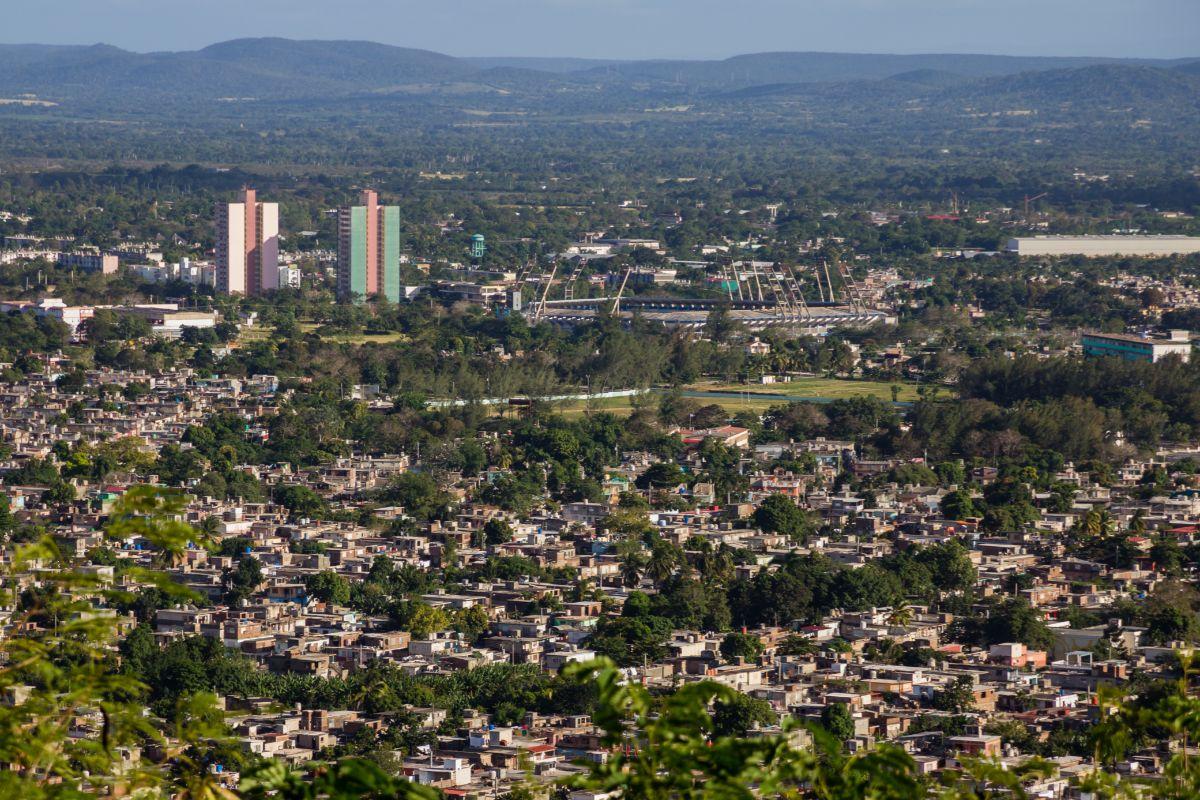 Capital of the Cuban province of the same name, Holguin is home to some of the most stunning natural sites in the east of the country, with natural parks such as the Cristóbal Colón Natural Park, the Bariay Monument Park and the Bahía de Naranjo Park perfect for eco-tourism and exploring its mysterious terrain.
The province of Holguín boasts an exorbitant cultural offering, such as the Gibara International Festival of Poor Cinema or the Casa de la Trova "El Guayabero", an institution set up to preserve Cuban music.
As if that wasn't enough, you can also enjoy the many beaches and appreciate the rich history and architecture of its capital, while taking in the mild, welcoming Caribbean climate.
Vinales
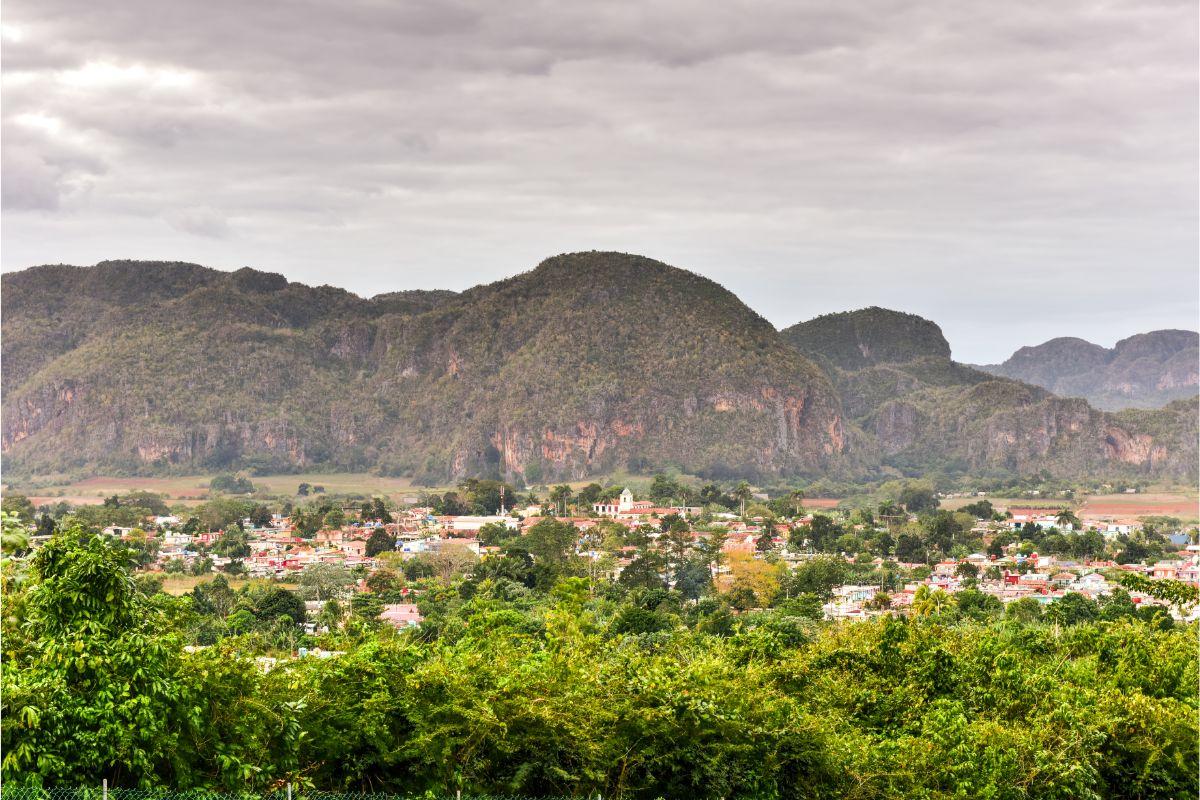 Well, let's get away from the bustling cities and go somewhere a little quieter. To the west of Cuba lies the Viñales National Park and, within it, the beautiful town of Viñales, a perfect place for relaxation and meditation, away from the hustle and bustle of other cities.
In this town, you can take a break, live with nature and learn a little more about Cuba's history.
The streets are home to a number of buildings that bear faithful witness to the Cuban colonial era and blend in perfectly with the surrounding environmental complex.
Here you can enjoy long walks in the nature reserve, rock climbing or even horse riding, as well as visiting the municipal museum, the Charity Garden or the Casa del Veguero tobacco plantation.
See also: Vinales Cuba: Top 20 activities
Baracoa
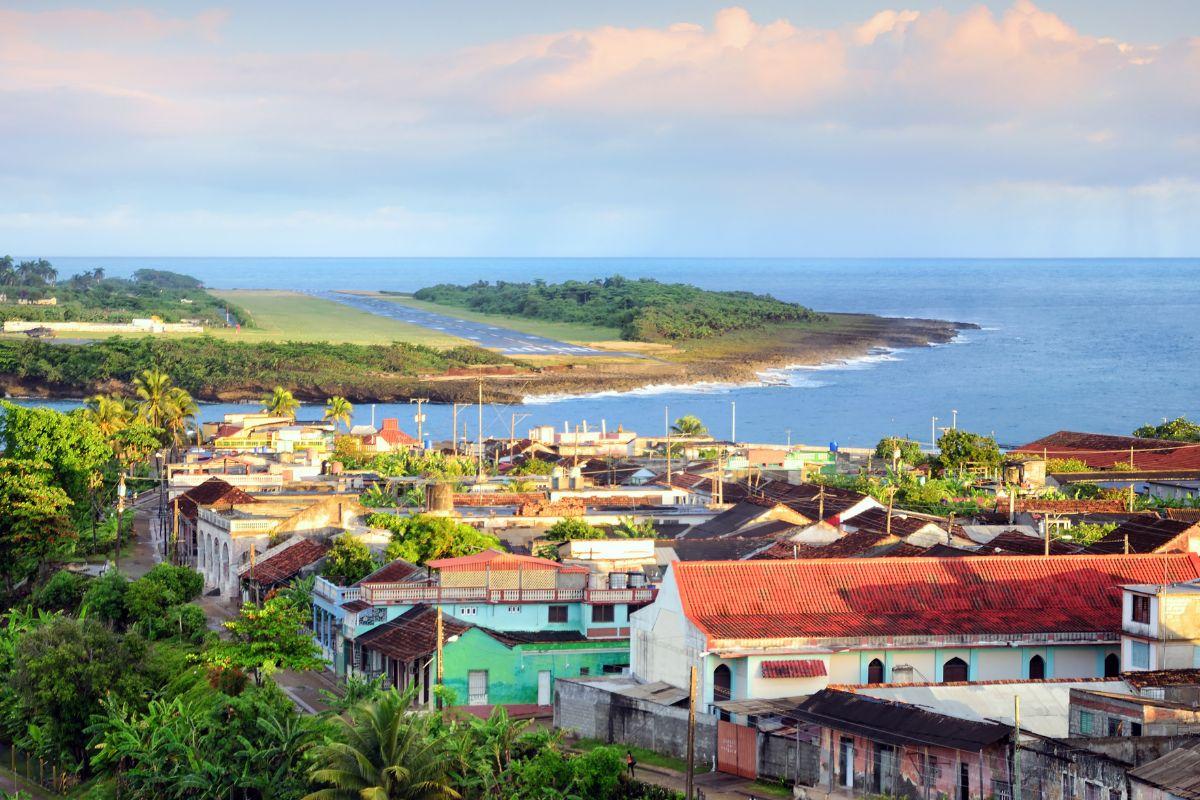 We continue our journey through Cuba's cities with the calm and peaceful city of Baracoa, a colonial town declared a national monument and adorned with beautiful enclaves and imposing fortresses.
Baracoa is Cuba's hidden gem. Located in the province of Guantánamo, it is difficult to reach and isolated from the rest of the country. The city lies between densely vegetated mountain ranges, making it an exotic place of crystal-clear rivers and a spectacular contrast of colours and light.
Baracoa is Cuba's oldest city, having been founded in 1511 by Diego Velázquez. As a result, it retains incredible historical values within, so much so that history permeates its narrow cobbled streets, surrounded by old mansions that stretch from the Castillo de la Punta to the Fortaleza de Matachín, two of its most important attractions along with the Fortaleza de Seboruco.
It also boasts incredible beaches and one of Cuba's best natural parks.
Only La Farola, a road built in 1964 that crosses the mountains and some beautiful forests, links it to Santiago and therefore to the rest of the country. Baracoa's isolation has enabled it to remain very authentic. It's a very small town, and it only takes a few hours to visit it.
So why go there? Quite simply, because it's pretty and much more relaxing than the rest of the country.
The tropical climate here means that it rains every day. The buildings are damaged by the rain, as anyone walking along the Malecon can see. Murals of Che Guevara, Fidel Castro and Camilo Cienfuegos are everywhere in the city, albeit a little weathered.
Baracoa is the country's gastronomic capital.
Camaguey
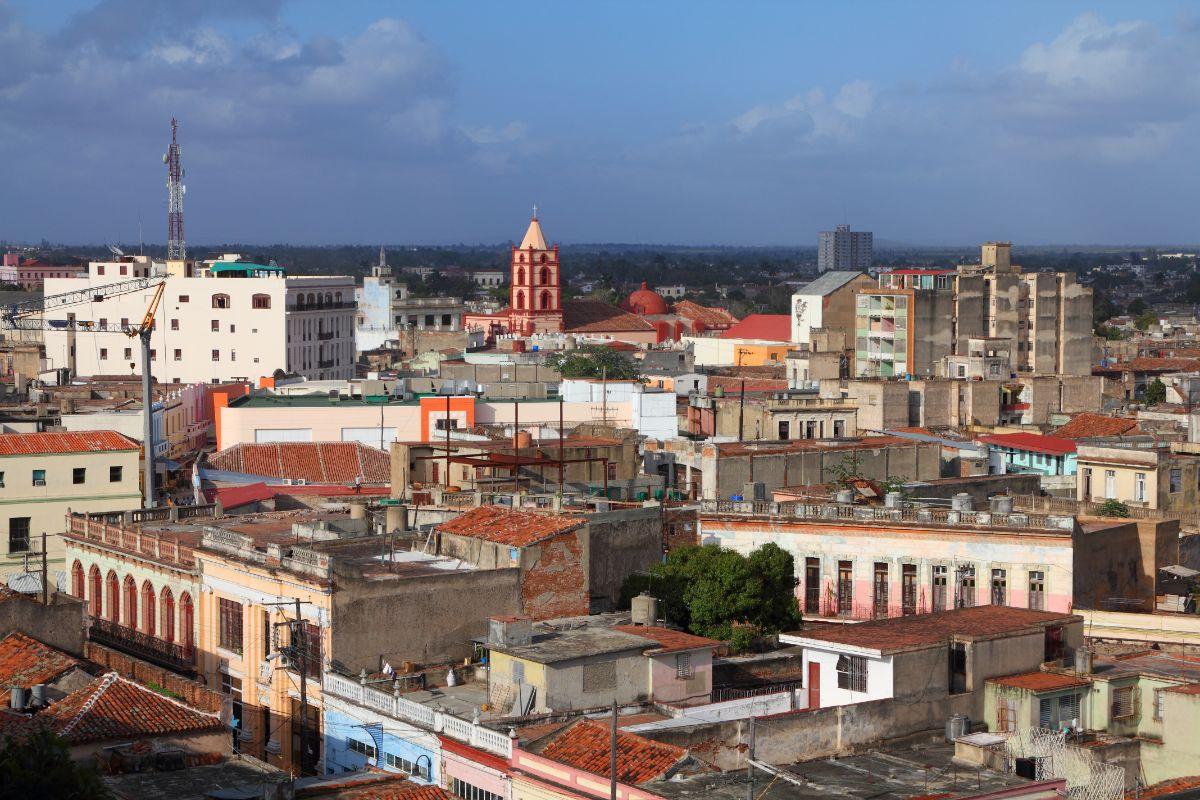 The labirynthic city of Camaguey elicits a love-or-hate reaction. You must visit it at least once. It is very unique and different from the rest of Cuba's cities. Built in the style of a medina to confuse any potential enemy or invader.
The city centre has been a UNESCO World Heritage Site since 2008. There are many art salons and pretty little streets, squares and colonial buildings. The city is crowded and sometimes messy, but well worth a visit.
Read also: Camaguey Cuba: Top 30 must-sees
Matanzas
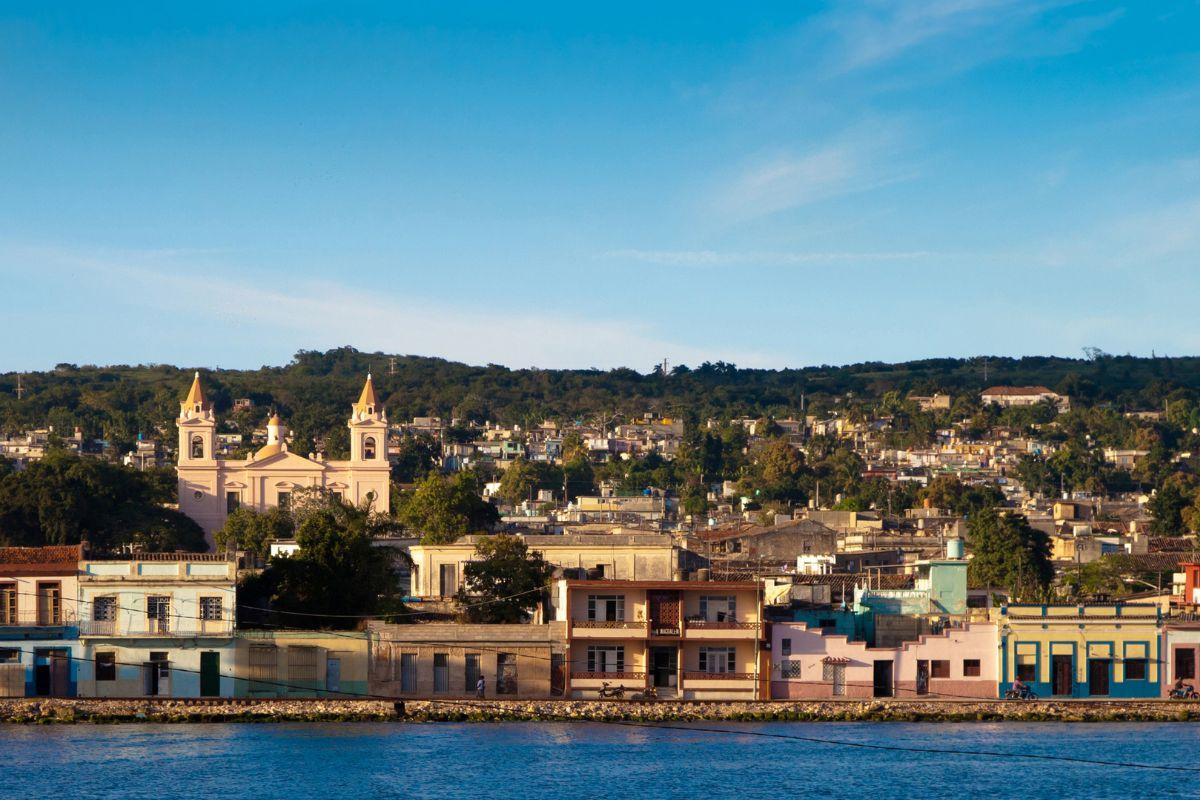 We end this tour of Cuba's cities with the capital of a particular province, which goes by the same name Matanzas, which is also the location of another of the cities we've already mentioned, Varadero.
It turns out that Matanzas has been one of the main contributors to the Cuban economy, as it has successfully emerged in all the sectors it has endeavoured to develop, such as energy, livestock and agriculture, among others.
In this province, there is a very special contrast between two sisters: the city of Matanzas and the city of Varadero. The latter, as already mentioned, is the luxury tourist destination par excellence, while the former is a more traditional and tranquil Cuba, with huge neoclassical colonial façades, churches, museums and a theatre.
Las Tunas
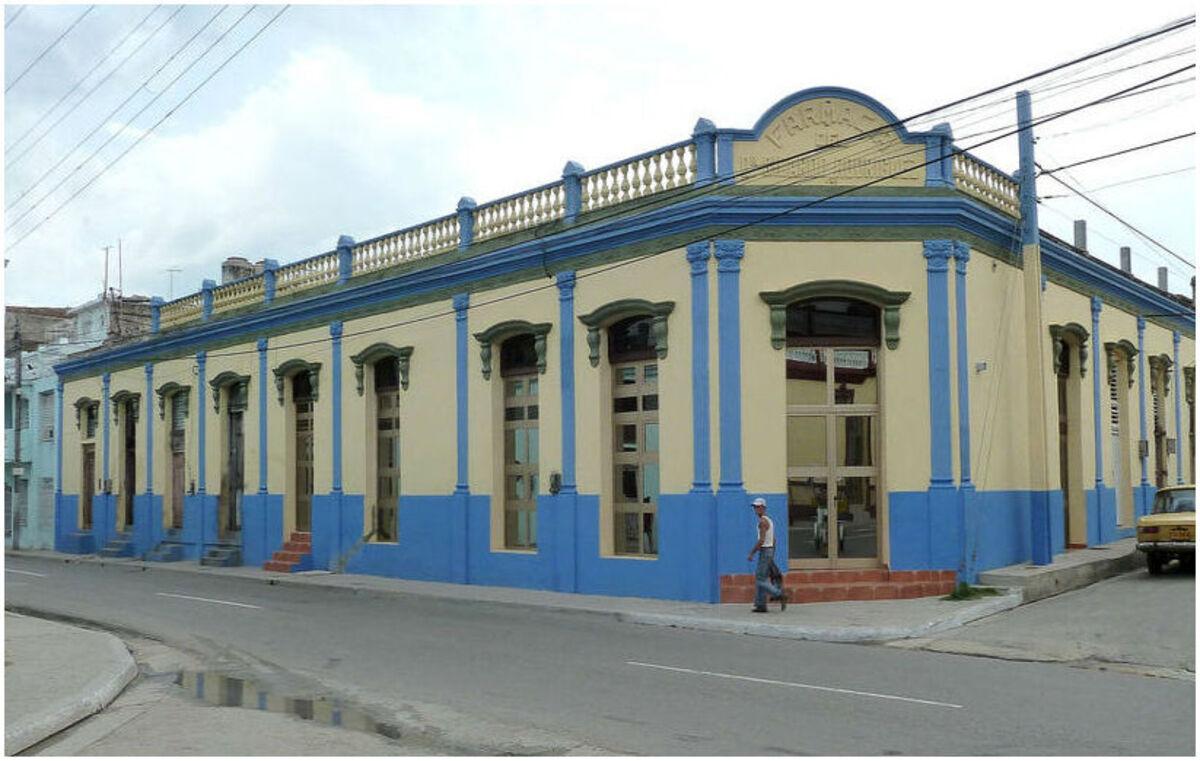 Las Tunas is one of Cuba's most unspoilt, unsophisticated and tranquil provinces. It is home to spectacular stretches of pristine, secluded beaches and excellent diving, as well as a peaceful capital with a welcoming local population.
Most of its territory is made up of green sugar cane fields and plantations. It's the ideal place to discover the real Cuba, the Cuban on foot, far from the tourist centres.
The town of Puerto Padre is located in a bay on the north coast of the province of Las Tunas. It is known as the "city of mills" and dates back to the 16th century. It has grown from a small rural village to a small industrial centre, where large quantities of sugar cane are processed - hence the number of mills.
It's a tranquil spot by the sea and close to many of the province's best beaches. It is also worth mentioning the delicious food that can be enjoyed in this region.
Beaches in the province of Las Tunas
Las Tunas is home to what many consider to be the most beautiful (and eco-friendly) beaches in all of eastern Cuba. Think miles and miles of secluded white sand beaches surrounded by warm, clear waters.
Covarrubias Beach
Covarrubias is located in the north of the province. This is the best place to dive in Las Tunas. The waters are very clean and are home to a magnificent coral reef stretching for almost three kilometres.
There are 35 pristine beaches in this region, all known for their breathtaking natural beauty, but only one, Covarrubias, has been opened to international tourism.
There is an all-inclusive hotel at Covarrubias.
La Herradura Beach
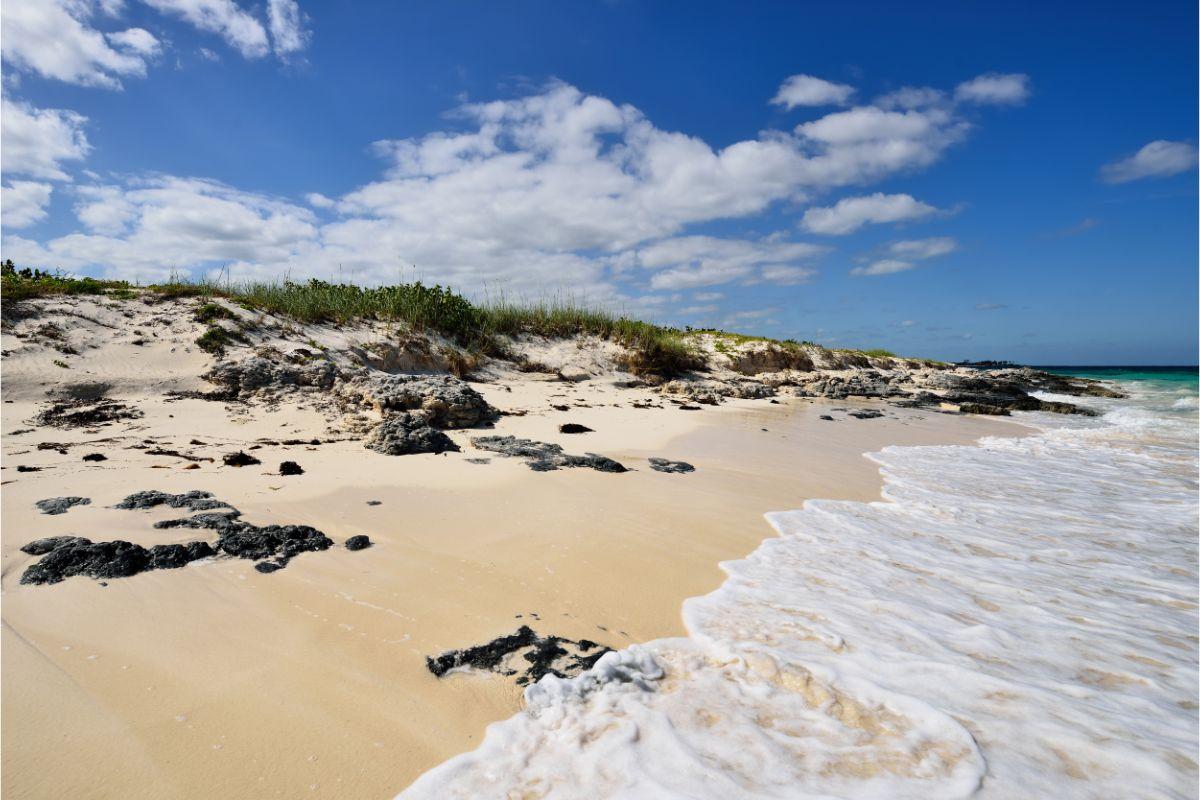 Playa La Herradura is a golden sandy beach with crystal clear waters and spectacular sunsets. There are a number of establishments here that legally rent out a private house to tourists.
La Llanita Beach
If you head west for around ten kilometres, you'll come to Playa Llanita. The sand is very soft and whiter than that of La Herradura and there is a strip of trees with a kind of small beach fruit (edible).
It is generally used as a refuge by Cubans, who frequent it in summer. The rest of the year it is empty and a very peaceful place, although the waters can be rougher than in other areas.
La Boca Beach
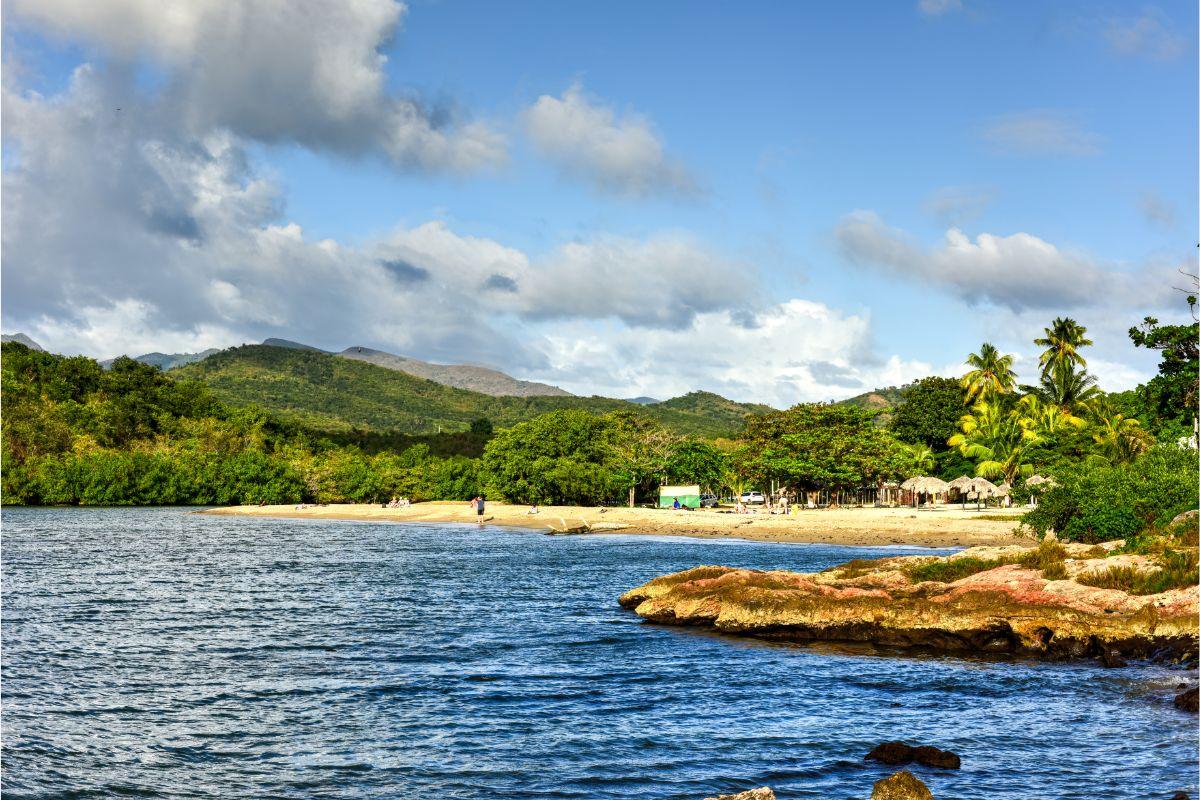 About a kilometre from Playa Llanita lies Playa La Boca, one of Cuba's most secluded beaches and a local favourite. Although at other times of the year it is virtually empty, in summer the atmosphere is quite lively.
It's a good place to enjoy a good lunch of fresh fish. The waters are warm and calm and there are private houses, albeit few in number. This is also the point where you can cross over in a small boat and continue on to the town of Puerto Padre.
Puerto Padre
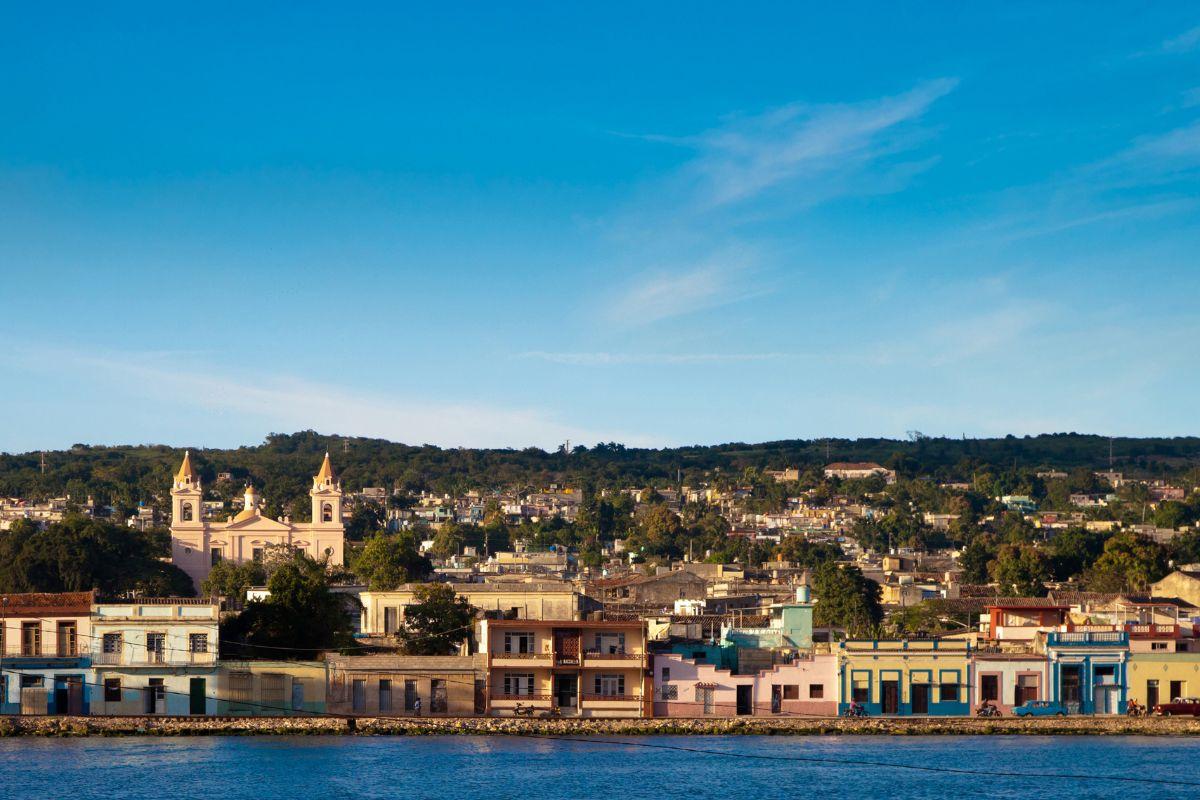 At the entrance to Puerto Padre stands the Puerto Padre Fort, which was used in the 19th century to defend the town. Today, tourists can see a display of some artefacts from the history of independence, but the most impressive thing is the architecture and the view over the plains between Puerto Padre and Las Tunas.
Due to its proximity to the northern beaches of the province, Puerto Padre is the ideal starting point for a holiday exploring this coastline and its long, secluded and mostly unspoilt beaches.
The nearest beach is Playa La Boca, 10 km from the small village of El Socucho. From here, there are several beaches stretching for around 30 km, where everyone can find the shoreline of their dreams.
Punta Coreilla Beach
La Llanita Beach
Punta Tomate Beach
La Boca Beach
La Herradura Beach
Artemisa
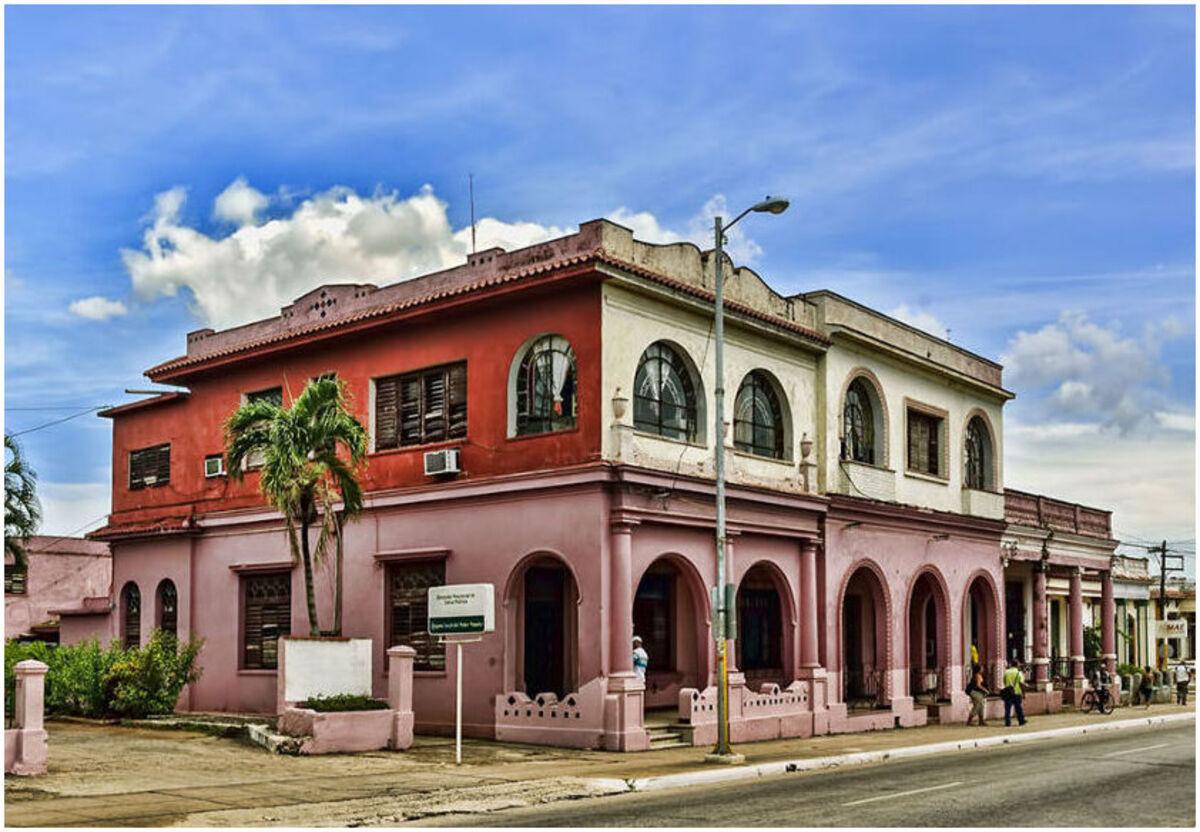 Despite being located in the immediate vicinity of the Cuban capital, the neighbouring provinces of Artemisa (to the west) and Mayabeque (to the east of Havana) are currently losing relatively few tourists.
The sights of these two agricultural provinces attract nature lovers and bathers alike. The Las Terrazas ecological project in Artemisa and the dreamy Playa Jibacoa shoreline in Mayabeque are two of the region's most outstanding attractions.
For tourists interested in Cuban culture, a visit to the town of San Antonio de los Baños, with its film school, is recommended.
It is also home to the Humour Museum and hosts the annual International Humour Festival.
Ciego de Avila
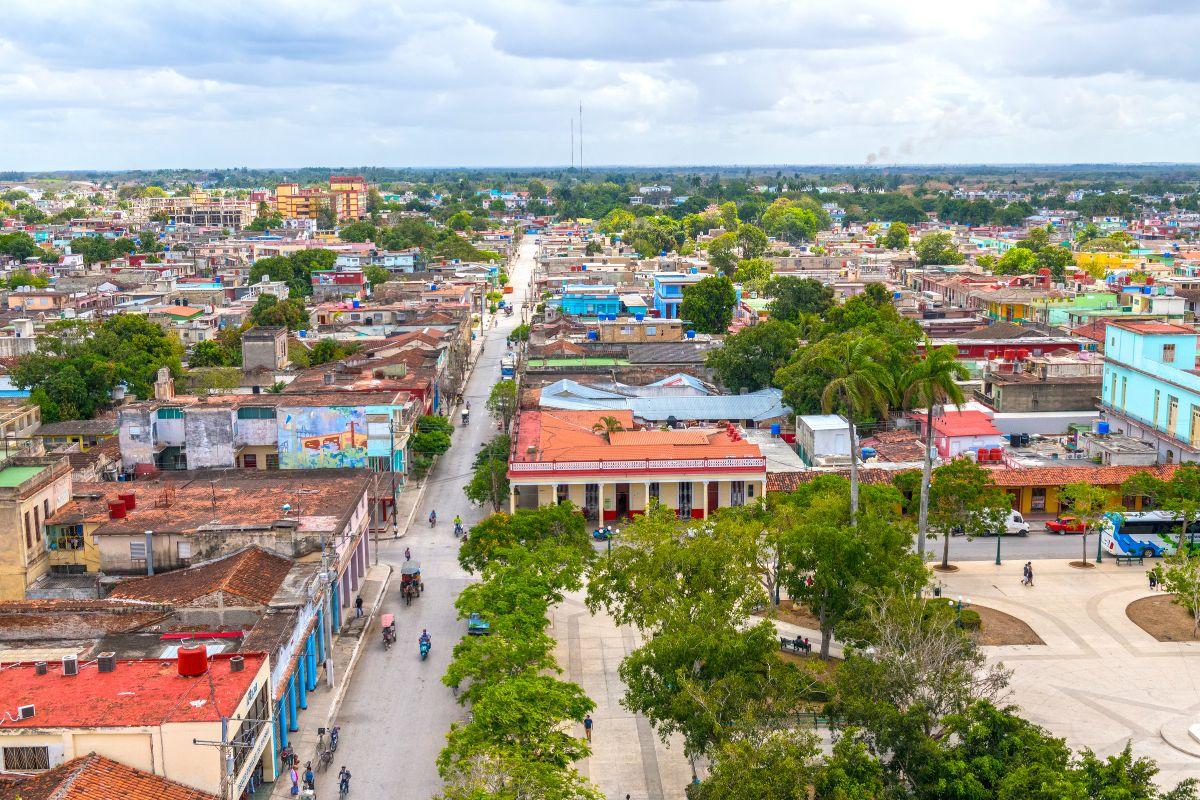 The province of Ciego de Avila is located in central Cuba, between the Atlantic Ocean and the Caribbean Sea.
This (the narrowest) province of Cuba is home to the Jardines del Rey archipelago, whose Cayo Coco and Cayo Guillermo islands are ideal tourist destinations for splendid beach holidays.
80 km south of the south coast are the Jardines de la Reina islands, still untouched by mass tourism.
Here you'll find perfect conditions for diving, fishing and birdwatching.
Near the town of Morón, north of Ciego de Avila, lies Cuba's largest natural lake, the Laguna de la Leche. A paradise for sport fishing.
The provincial capital, Ciego de Avila, with its many neoclassical buildings, invites you to stroll its streets and is a good place to stop on your way to the more eastern parts of Cuba.
Endless white sandy beaches and vast coral reefs are the ingredients of the northern islands of the province of Ciego de Avila.
This archipelago, known as Jardines del Rey, is truly spectacular. Cayo Coco and the smaller Cayo Guillermo will make your Caribbean dreams come true and leave you with unforgettable memories.
Cayo Coco
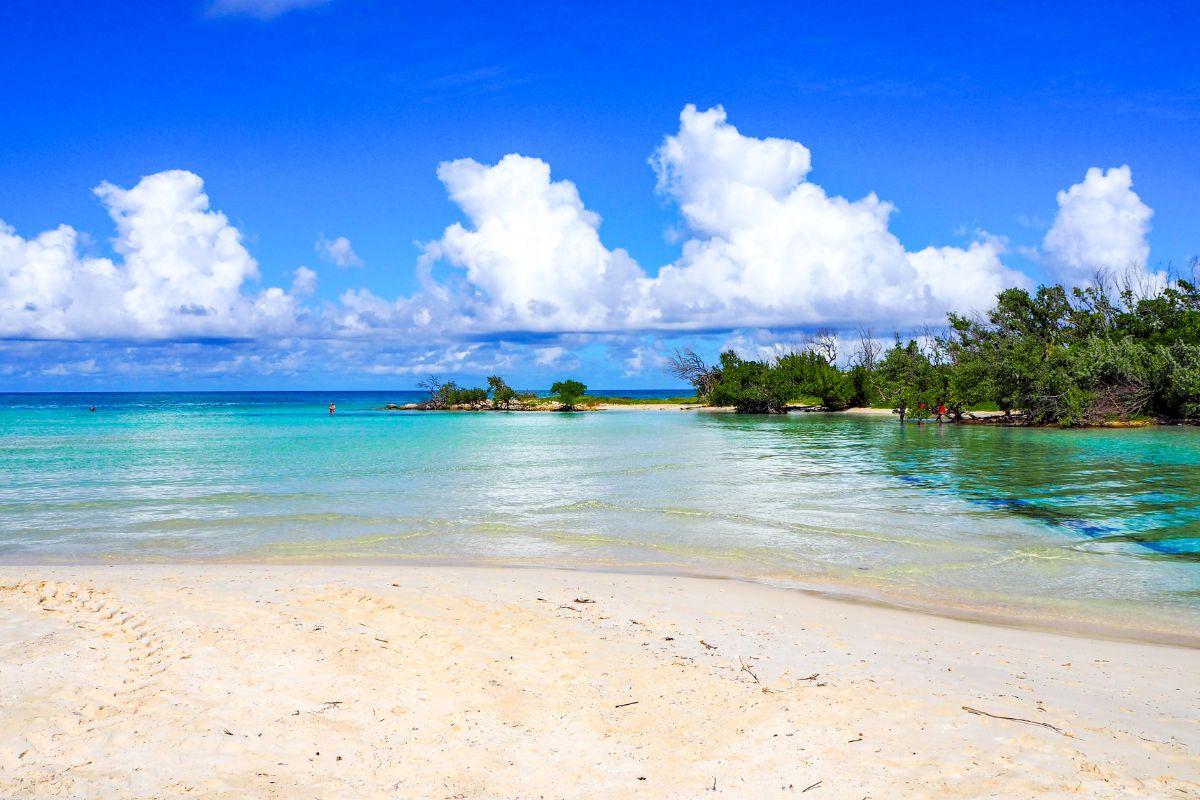 Cayo Coco's all-inclusive hotels are scattered along this dreamy, brilliant white beach.
The island is accessible by an elevated road from Morón or from Cayo airport.
Cayo Coco's superb beaches stretch almost uninterrupted along the island's north coast.
Although it is a popular tourist destination, it is easy to find a quiet spot on these magnificent shores.
The warm, crystal-clear waters and wide expanse of white sand make Flamenco beach ideal for swimming and horse riding.
Playa la Jaula is a place of peace and tranquillity.
Of course, swimming and sunbathing are the main activities for tourists here, but diving enthusiasts will also find plenty of dive sites.
Yacht trips are also organised for deep-sea fishing.
In recent years, kitesurfing has also become very popular on these shores and, thanks to the favourable winds and shallow waters, this is the ideal place for beginners and experienced kitesurfers alike.
The natural surroundings of Cayo Coco are ideal for birdwatching.
The El Bagá nature park, which boasts more than a hundred different species of bird, is well worth a visit.
Both on land and underwater, Cayo Coco offers a wide variety of exotic flora and fauna.
Guillermo Cay
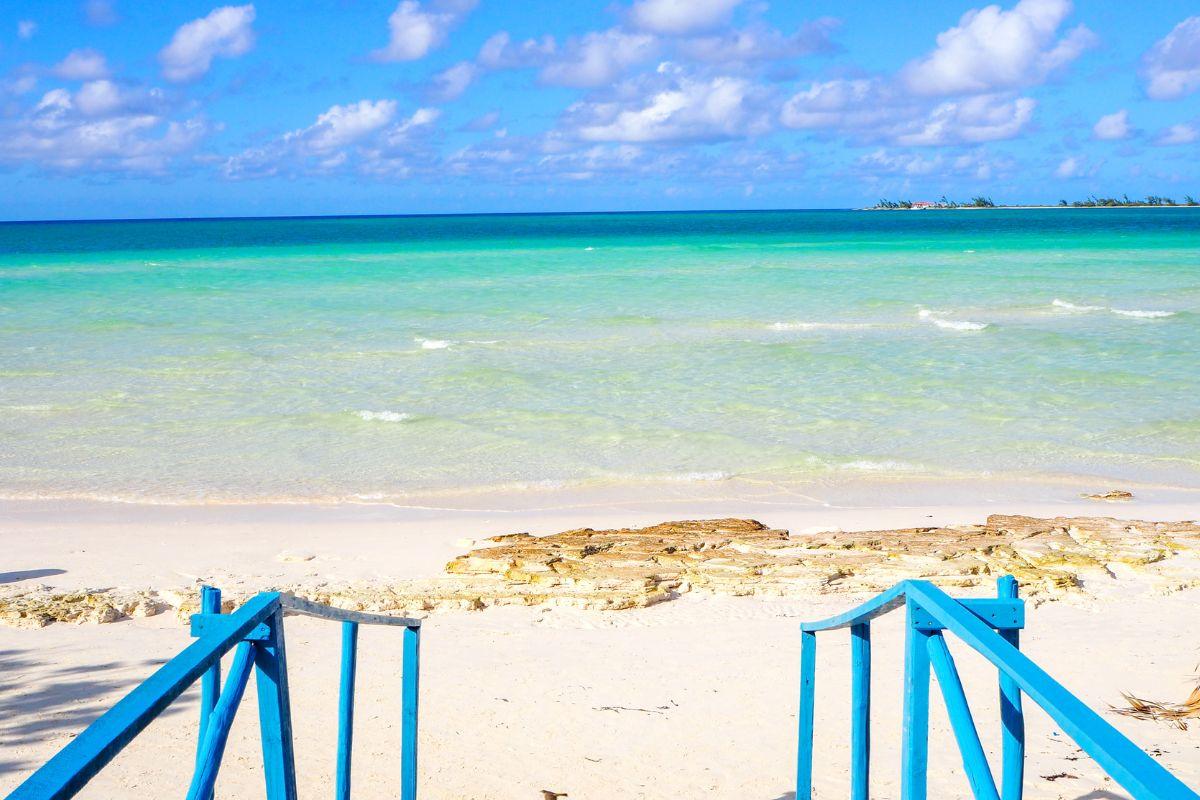 Further west is the small island of Cayo Guillermo. Divers and deep-sea fishing enthusiasts will find perfect conditions here.
Hemingway was already enchanted by this island.
Barracuda, mackerel, tarpon and tuna are just some of the species of fish that inhabit these waters.
Playa Pilar, probably the most beautiful beach in Cuba, is located on Cayo Guillermo. It is named after the boat that belonged to Ernest Hemingway.
Playa Pilar has no hotels and only a rustic bar serving cold drinks with magnificent sea views.
The beach is separated from the island's interior by a dune up to 15 metres high. If you're visiting the Keys, you can't miss this dreamy shoreline.
Queen's Gardens
Around 80 metres off the south coast of the province of Ciego de Avila are the Jardines de la Reina.
This archipelago is an excellent spot for divers, fishermen and birdwatchers.
Accessible only by boat from the coastal village of Embarcadero Júcaro, the nature of the Jardines de la Reina is still unspoilt, both above and below the water.
Hammerhead sharks and whale sharks attract divers from all over the world, while ospreys, pelicans and herons delight birdwatchers.
Ciego de Avila is a great choice for a holiday on the dream beaches of Cayo Coco and Cayo Guillermo. Fishing enthusiasts will be drawn to the Morón region, and the beautiful green capital of the province of Ciego de Ávila is ideal for a refreshing stopover during your visit to Cuba.
We hope you've been captivated by this wonderful country and don't wait any longer to visit.
Our favourites
Baracoa is our favourite, a mysterious village. In the surrounding area, you'll find incredible beaches, mountains and one of Cuba's best national parks. Places not to miss on your visit to Baracoa.
FAQ / City Cuba
Which city in Cuba is the most beautiful?
Havana The country's capital is also one of the most beautiful cities on the island, with many picture-postcard corners, streets with a very special light and emblematic places like the Malecón, the seafront promenade, or El Callejón de Hamel (Hamel's alley).
Which is Cuba's most industrialised province?
According to the National Bureau of Statistics and Information, Mayabeque has 57 companies, 247 cooperatives and 15 non-agricultural cooperatives.
How many cities are there in Cuba?
Cuba is divided into 168 municipalities. In August 2010, Cuba's National Assembly approved changes to the country's territorial organisation, which are as follows: The segmentation of the former province of Havana, with the creation of the new provinces of Artemisa and Mayabeque, each with 11 municipalities.
Which is Cuba's most populous province?
According to the figures, Havana is the most populous province, with 2,106,646 inhabitants, and Mayabeque the least, with 376,825. The other provinces with more than 1,000,000 inhabitants are Santiago de Cuba and Holguín, with 1,049,084 and 1,035,072 inhabitants respectively.